


Montipora digitata: living card for an entry SPS coral
An atlas card for trying SPS cautiously: stable alkalinity, gradual light, broad flow, and growth that confirms the system.
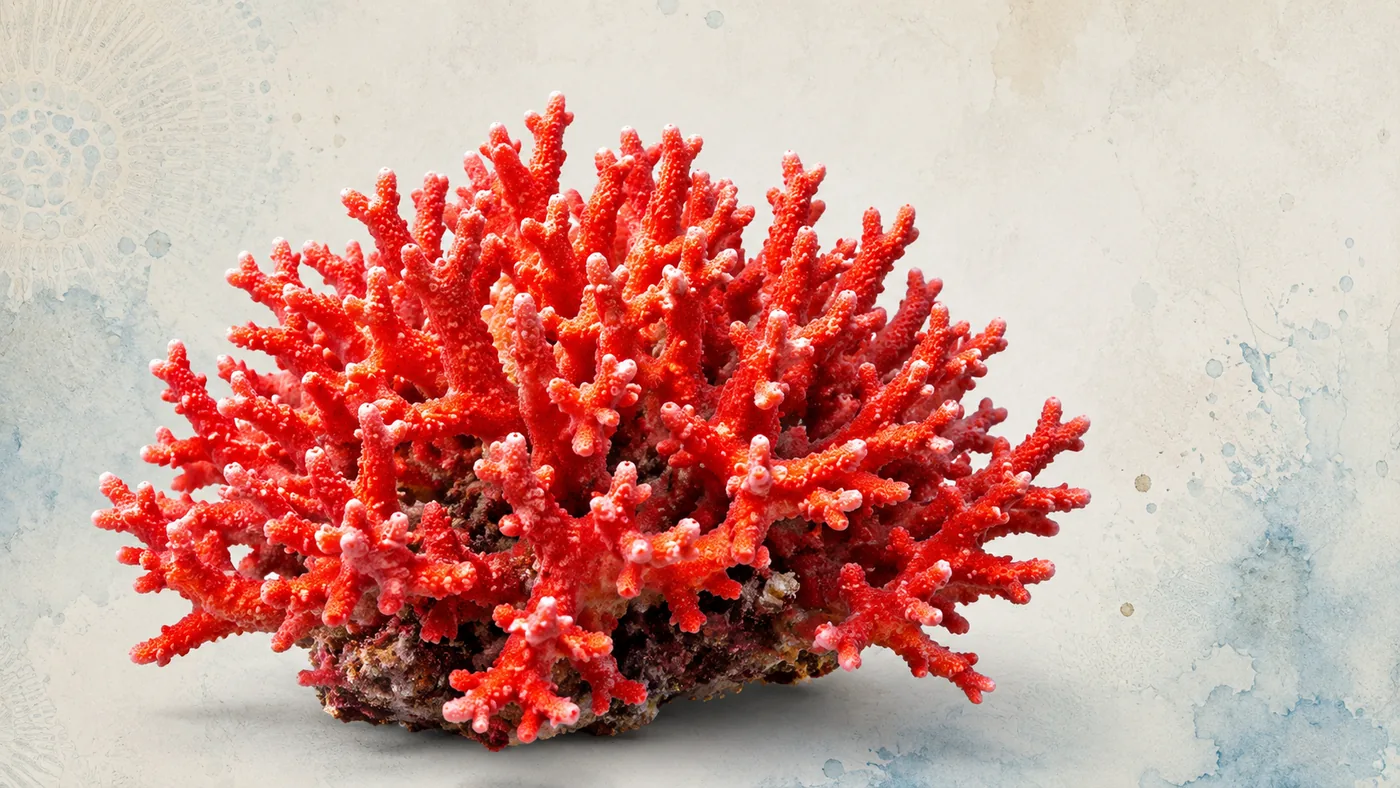
Montipora digitata works as a first serious SPS in a reef tank. It grows when the system is ready and fades when alkalinity, light, or flow lack consistency.
Quick read
- Type: branching SPS coral.
- Aquarium: mature reef with repeatable parameters.
- Light: medium-high, always acclimated.
- Flow: moderate to strong, broad and variable.
- Indicative temperature: 24-26 C.
- Salinity: 1.024-1.026 SG.
- Alkalinity: 7.5-9.5 dKH.
- Calcium: 400-450 mg/L.
- Difficulty: medium; more tolerant than Acropora, not for unstable systems.
What to check before placing it
Look for growth tips, even colour, and a base without bleaching. Check for Montipora-specific pests before adding it.
Before gluing a colony, think about its future size, the direction of flow, and whether you could remove it without dismantling half the rockwork if something goes wrong.
Placement and coral reading
Place it with room to branch and receive flow from several angles. Soft-coral shade or LPS contact makes its response harder to read.
Read the first week outside the blue-light photo. Watch extension, tissue, response to flow, and irritation signs when the aquarium is in its normal rhythm.
Working parameters
Do not chase high alkalinity if you cannot sustain it. What matters is that alkalinity, calcium, magnesium, and nutrients do not swing weekly.
In a reef, stability means repetition: salinity, alkalinity, temperature, and nutrients inside a window the aquarium can sustain, not perfect numbers from one test.
Compatibility and warning
It needs distance from stinging corals and soft corals that shade it. If established well, it may require trimming.
Tissue loss from the base, burnt tips, or sudden browning points to alkalinity, light, nutrients, or pests.
Reference sources
WoRMS for taxonomic reference; LiveAquaria, Tidal Gardens, and specialist reef guides for practical light, flow, and stability ranges. Values are indicative and must be adapted to the real history of the system.
Topics
Newsletter
A weekly reading to see the aquatic world with clearer judgment.
Receive short, carefully edited reflections on aquatic life, ethical aquarium keeping, and applied science.
Subscribe